
Emergency Roof Leaks: What to Do While Waiting for a Roofer in Dublin
Water pouring into your home? Follow these crucial steps to minimise damage while our fast-response Dublin roofing team is on the way.

Discovering a major roof leak during a heavy Dublin downpour is one of the most stressful experiences a homeowner can face. Water dripping from the ceiling, running down walls, and threatening your belongings creates an immediate sense of panic. While you wait for a professional roofing contractor to arrive, there are practical steps you can take to minimise interior damage and protect your home. Acting quickly and calmly can mean the difference between a manageable cleanup and a costly restoration.
In this guide, the team at Haven Roof Specialists outlines exactly what to do when a roof leak strikes, how to contain the damage, and when to call for professional help.
Step 1: Stay Calm and Prioritise Safety
Before you do anything else, take a moment to assess the situation calmly. Your safety and the safety of your family comes first. If water is near any electrical fittings, light switches, or sockets, do not touch them. If you can safely access your fuse board, switch off the electricity to the affected area. Water and electricity are a dangerous combination, and this simple step prevents the risk of electric shock.
If the leak is severe and water is coming through a light fitting, do not attempt to touch the fitting — call a qualified electrician in addition to your roofing contractor.
Step 2: Contain the Water
Once you've ensured the area is safe, your next priority is to contain the active leak. Place buckets, pots, bins, or any large containers under the dripping water. If the water is splashing out of the container on impact, try placing a towel or cloth inside the bucket to soften the fall. You can also pin a piece of string to the ceiling at the point where water is entering and let it hang into the bucket — the water will follow the string and drip silently into the container, reducing splash and noise.
For leaks that are spreading across a wide area of ceiling, lay down plastic sheeting or bin liners to direct the water toward your containers. The goal is to channel the water into a controlled flow rather than allowing it to spread and saturate the ceiling and walls.
Step 3: Protect Your Belongings
Move furniture, electronics, rugs, and valuable items away from the leak zone. If furniture is too heavy to move — such as a large wardrobe or bed — cover it thoroughly with plastic sheeting, dust sheets, or even bin liners. Pay particular attention to wooden furniture, which can be permanently damaged by water exposure, and electrical items, which may be destroyed.
If you have important documents, photographs, or sentimental items stored in the affected area, move them to a dry room immediately. Water damage to irreplaceable items is often the most distressing consequence of a roof leak.
Step 4: Relieve Pressure on the Ceiling
This is a crucial step that many homeowners don't know about. If you notice a bulge forming in your ceiling — a visible swelling where water is pooling above the plasterboard — the weight of the trapped water can cause the entire ceiling section to collapse. This not only creates a massive cleanup job but can also cause serious injury and damage to anything beneath.
To prevent ceiling collapse, carefully puncture a small hole in the centre of the bulge using a screwdriver or similar tool. Place a bucket directly beneath the hole first. The water will drain through the hole in a controlled flow rather than building up until the ceiling fails. While it may feel counterintuitive to deliberately make a hole in your ceiling, this technique can save you from a far more expensive and dangerous ceiling collapse.
Step 5: Document the Damage
Before you begin cleanup, take clear photos and videos of the damage. Document the source of the leak, the water staining, any damaged belongings, and the extent of the affected area. This documentation is essential for any insurance claim you may need to make and will help your roofing contractor understand the severity of the situation when they arrive.
Keep any damaged items rather than disposing of them immediately, as your insurance company may want to inspect them. Note the date and time the leak started and any weather conditions at the time.
Step 6: Safely Inspect the Attic (If Possible)
If it is safe to do so, and if you have safe access to your attic, a brief inspection can help you understand the source of the leak. Look for the entry point where water is coming through the underlay or timbers. This information will help your roofing contractor locate the problem quickly when they arrive.
However, there are important safety rules to follow:
- Never walk on the ceiling joists — stand only on the structural timbers or use a board to distribute your weight.
- Never go onto the roof yourself during a storm or in wet conditions. This is extremely dangerous and should only be done by a professional with the proper safety equipment.
- Be aware of electrical wiring in the attic, particularly if water is present.
- If in doubt, don't go up. Wait for the professionals.
When to Call a Professional Dublin Roofing Contractor
Any active roof leak warrants a call to a professional roofing contractor. Even if you've contained the water and the leak appears to have stopped, the underlying cause needs to be identified and repaired before the next rainfall. Water that has entered your roof structure can cause hidden damage — rotting timbers, saturating insulation, and creating conditions for mould growth — that may not become visible for weeks or months.
At Haven Roof Specialists, we understand the stress of a roof leak and we prioritise emergency calls across Dublin. While we don't offer 24/7 callouts, we provide fast-response scheduling for urgent emergency roof repairs to get your home watertight as quickly as possible. Our experienced team will identify the source of the leak, carry out effective repairs, and advise you on any further work needed to prevent recurrence.
Preventing Future Roof Leaks
Once your immediate leak has been resolved, it's worth taking steps to prevent future occurrences. The most effective prevention is regular roof maintenance:
- Schedule annual roof inspections to identify potential weak points before they become leaks. A professional roof inspection can spot cracked slates, damaged flashing, and degraded underlay long before water enters your home.
- Keep gutters clear to prevent water from backing up under the roof edge. Regular gutter maintenance is one of the most effective ways to prevent roofline leaks.
- Address storm damage promptly — even if no leak is immediately visible, storm damage can create vulnerabilities that fail during the next downpour. Read our guide on signs your roof needs repair after a storm to know what to look for.
- Check flashing and chimney pointing regularly, as these are the most common entry points for water in older Dublin homes.
Need Emergency Roof Repairs in Dublin?
If you're dealing with an active roof leak, don't wait for the problem to worsen. The longer water is entering your home, the more extensive and expensive the damage becomes. Contact Haven Roof Specialists for fast-response roof leak repairs across Dublin and surrounding areas. Our team will prioritise your call, provide honest advice over the phone, and arrange to get your home watertight as quickly as possible.
Call us today or reach out through our contact form — we're here to help protect your home when you need it most.
Concerned About Your Roof?
If you've noticed any of these warning signs or you're unsure about the condition of your roof, our team can assess the situation and explain your options — with no pressure and no jargon.
Frequently Asked Questions
Related Articles

5 Signs Your Roof Needs Immediate Repair After a Dublin Storm
Irish weather can be unforgiving. Learn the top warning signs that your roof has suffered storm damage and needs professional attention before the next downpour.
Read Article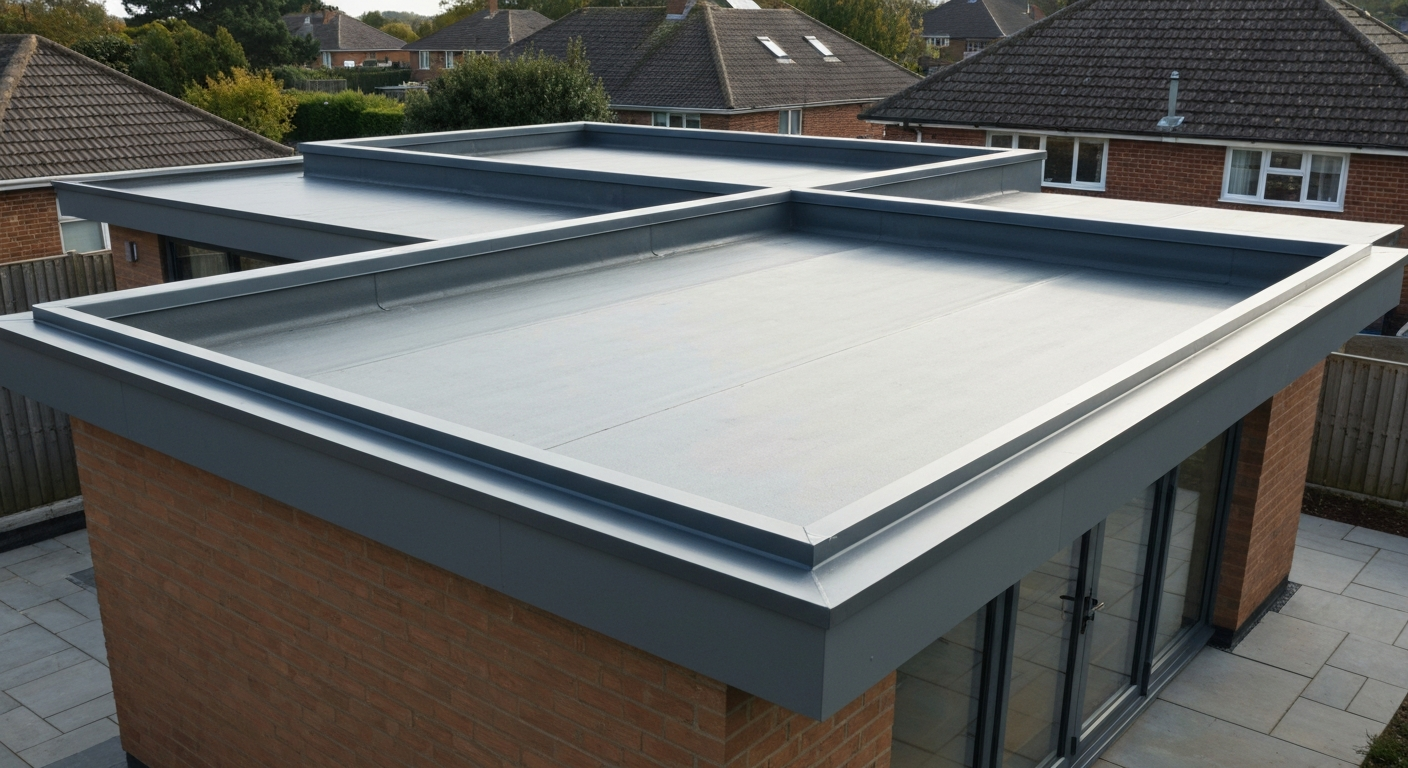
Flat Roof vs. Pitched Roof: Which is Better for Your Dublin Extension?
Planning an extension in Dublin? We break down the pros, cons, costs, and planning considerations of flat roofing versus traditional pitched roofs for Irish homes.
Read Article
How Long Should a New Roof Last in Ireland?
Replacing your roof is a major investment. Discover the expected lifespan of slate, tile, and flat roofing materials in the damp, windy Irish climate.
Read Article