
5 Signs Your Roof Needs Immediate Repair After a Dublin Storm
Irish weather can be unforgiving. Learn the top warning signs that your roof has suffered storm damage and needs professional attention before the next downpour.
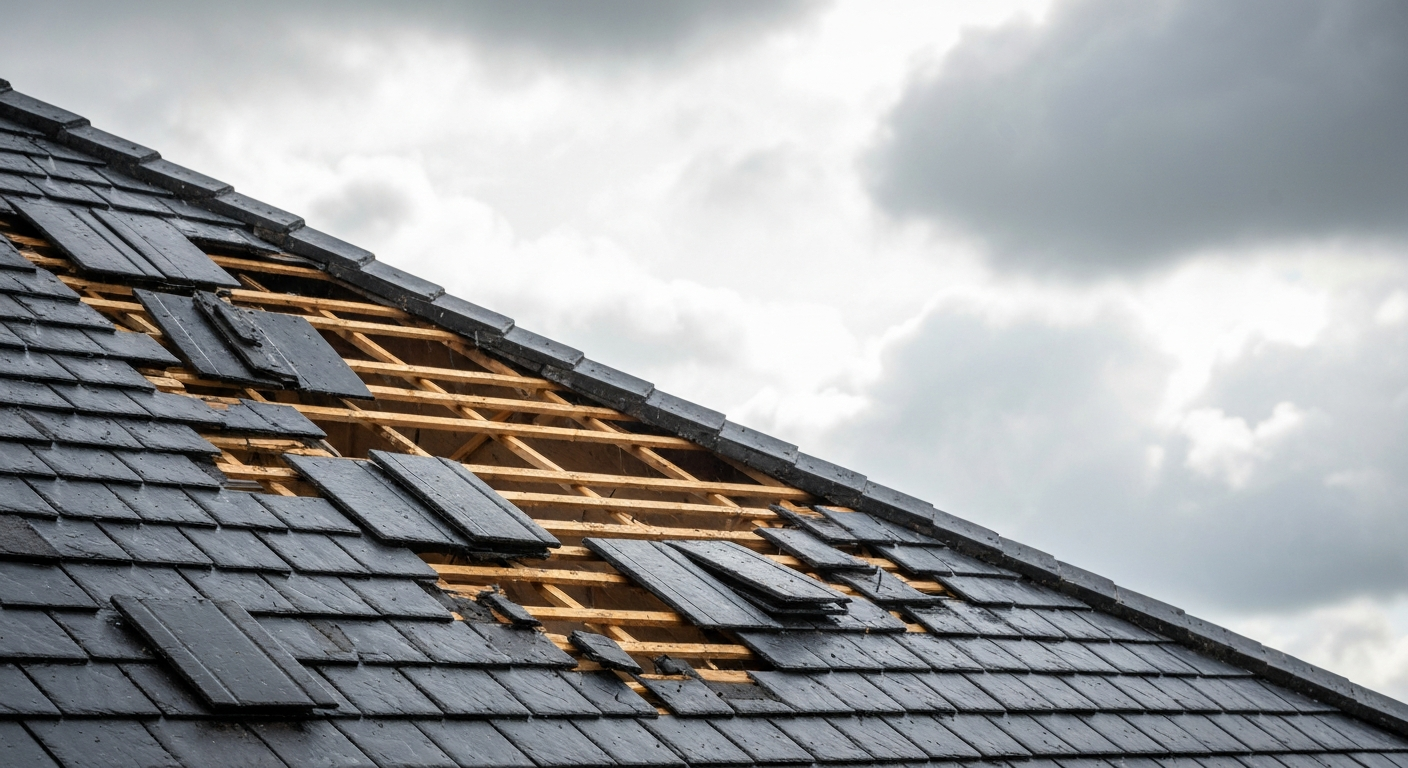
Dublin's position on the east coast of Ireland means our homes bear the brunt of some of the country's most unpredictable weather. From Atlantic storm systems sweeping across the Irish Sea to freezing winter temperatures and torrential autumn downpours, your roof is the first line of defence protecting your family and belongings. But how do you know when a storm has done real damage?
Many Dublin homeowners assume that if there's no water pouring through the ceiling, the roof is fine. Unfortunately, storm damage often starts subtly — a slipped slate here, a cracked flashing there — and worsens over weeks or months until a minor repair becomes a major replacement. In this guide, the team at Haven Roof Specialists walks you through the five most common signs your roof needs immediate attention after a Dublin storm, and what steps you should take to protect your home.
1. Missing, Cracked, or Slipped Slates and Tiles
One of the most visible signs of storm damage is missing or misaligned slates. High winds sweeping across Dublin Bay and the Wicklow mountains can easily dislodge older or weakened tiles, leaving the underlying felt and timber battens exposed to the elements. After a severe storm, take a step back and look at your roofline from ground level. If you notice gaps, uneven lines, or slates hanging at odd angles, it's time to call a professional.
Even hairline cracks in individual slates can allow water to seep through during the next heavy rainfall. These cracks are almost impossible to spot from the ground but will gradually widen with each freeze-thaw cycle. A thorough roof inspection by an experienced Dublin roofing contractor will identify cracked slates before they become a source of interior water damage.
2. Water Stains on Ceilings or Interior Walls
If you notice brown, yellow, or damp patches appearing on your upstairs ceilings or along interior walls after a storm, water is actively breaching your roof. These stains are caused by water pooling in the roof cavity and soaking through the plasterboard. Even a small stain can indicate a significant amount of trapped moisture above.
It's important to understand that water rarely enters your home directly above where the stain appears. Water can travel along roof joists, rafters, and underlay before finding the lowest point to drip through. This means the actual entry point on the roof could be several feet away from the visible interior damage. A professional roof leak repair specialist will trace the source accurately, ensuring the repair addresses the root cause rather than just the symptom.
3. Damaged or Lifted Flashing Around Chimneys and Valleys
The lead flashing around your chimney stack, in roof valleys, and at wall abutments is crucial for waterproofing the most vulnerable junctions on your roof. Strong winds and thermal expansion can lift, crack, or tear this flashing, creating a direct path for rainwater to enter your home.
After a storm, use binoculars to inspect the base of your chimney where it meets the roof. If the flashing looks lifted, buckled, or separated from the brickwork, water will be getting in during the next rainfall. Chimney-related leaks are among the most common issues we encounter in older Dublin homes, particularly in areas like Rathmines, Drumcondra, and Ballsbridge where period properties have original lead flashing that has aged over decades.
4. Granules, Slate Fragments, and Debris in the Gutters
After a storm, check your gutters and the ground beneath your downpipes. An accumulation of slate pieces, mortar fragments, or roofing granules is a clear warning sign that the protective surface of your roof is actively deteriorating. High winds and impacts from debris can strip away the outer layer of concrete tiles and dislodge pieces of natural slate.
This debris doesn't just indicate roof damage — it also contributes to gutter blockages that can cause overflowing water to damage your fascia boards and exterior walls. If you're finding granules or slate fragments in your gutters, it's time for a comprehensive roof inspection to assess the full extent of the damage.
5. Drafts, Daylight, or Moisture in the Attic
Your attic is the canary in the coal mine for roof problems. After a storm, safely inspect your attic space during daylight hours. If you can see daylight coming through the roof boards or feel unusual drafts, the weatherproofing seal has been compromised. Similarly, if you notice damp insulation, a musty smell, or water staining on the timber joists, moisture is entering the roof structure.
Even small gaps allow warm air from your home to escape into the roof cavity, which can lead to condensation buildup and eventually rot the timber structure. Addressing these issues promptly with professional roof repairs will prevent the kind of structural damage that requires a full roof replacement.
What to Do If You Spot These Warning Signs
If you've identified any of these five signs after a Dublin storm, don't wait for the problem to worsen. What starts as a slipped slate or a cracked flashing can escalate into damaged plasterwork, rotten timbers, and mould growth within a matter of weeks — especially during Dublin's wet winter months.
Here's what we recommend:
- Document the damage: Take photos of any visible exterior damage and interior water stains. This will help your roofing contractor assess the situation quickly and is useful for any insurance claims.
- Contain interior water: Place buckets under active leaks and move belongings away from the affected area. If you notice a bulge in your ceiling, do not puncture it yourself — call a professional.
- Book a roof inspection: Arrange for a qualified Dublin roofing specialist to carry out a thorough inspection. They will identify all damage, not just the visible issues, and provide a clear recommendation for repairs.
Don't Wait for the Next Storm
Dublin's weather isn't getting any milder, and the longer storm damage goes unaddressed, the more expensive the eventual repair becomes. At Haven Roof Specialists, we've helped hundreds of homeowners across Dublin — from Swords to Bray, and everywhere in between — protect their homes from the Irish elements. Our experienced team provides honest assessments, quality workmanship, and lasting repairs that stand up to whatever the Irish climate throws at them.
If your roof has weathered a storm and you're concerned about hidden damage, contact us today to arrange a professional roof inspection. We'll give you a clear picture of your roof's condition and honest advice on the best way forward — no pressure, no jargon, just straightforward guidance from a team that cares about protecting your home.
Concerned About Your Roof?
If you've noticed any of these warning signs or you're unsure about the condition of your roof, our team can assess the situation and explain your options — with no pressure and no jargon.
Frequently Asked Questions
Related Articles
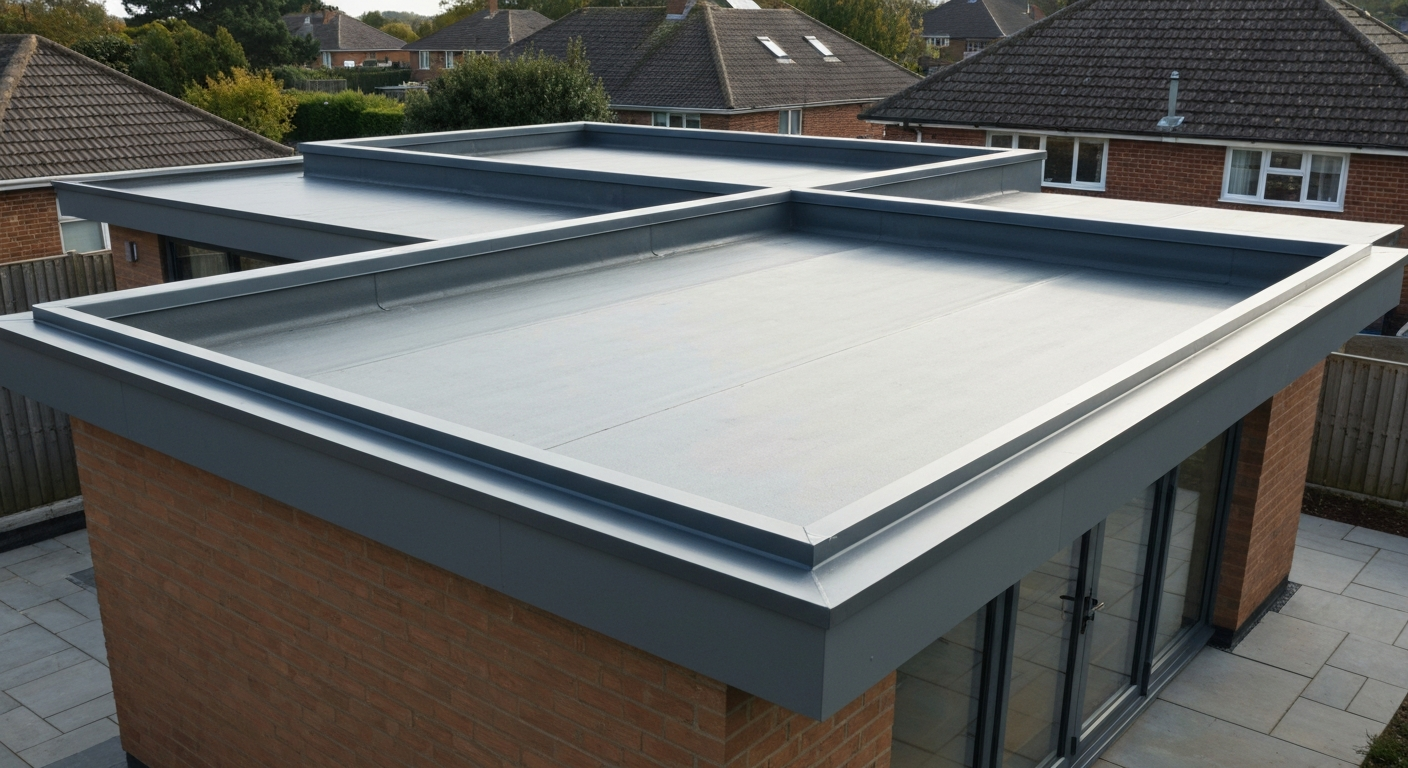
Flat Roof vs. Pitched Roof: Which is Better for Your Dublin Extension?
Planning an extension in Dublin? We break down the pros, cons, costs, and planning considerations of flat roofing versus traditional pitched roofs for Irish homes.
Read Article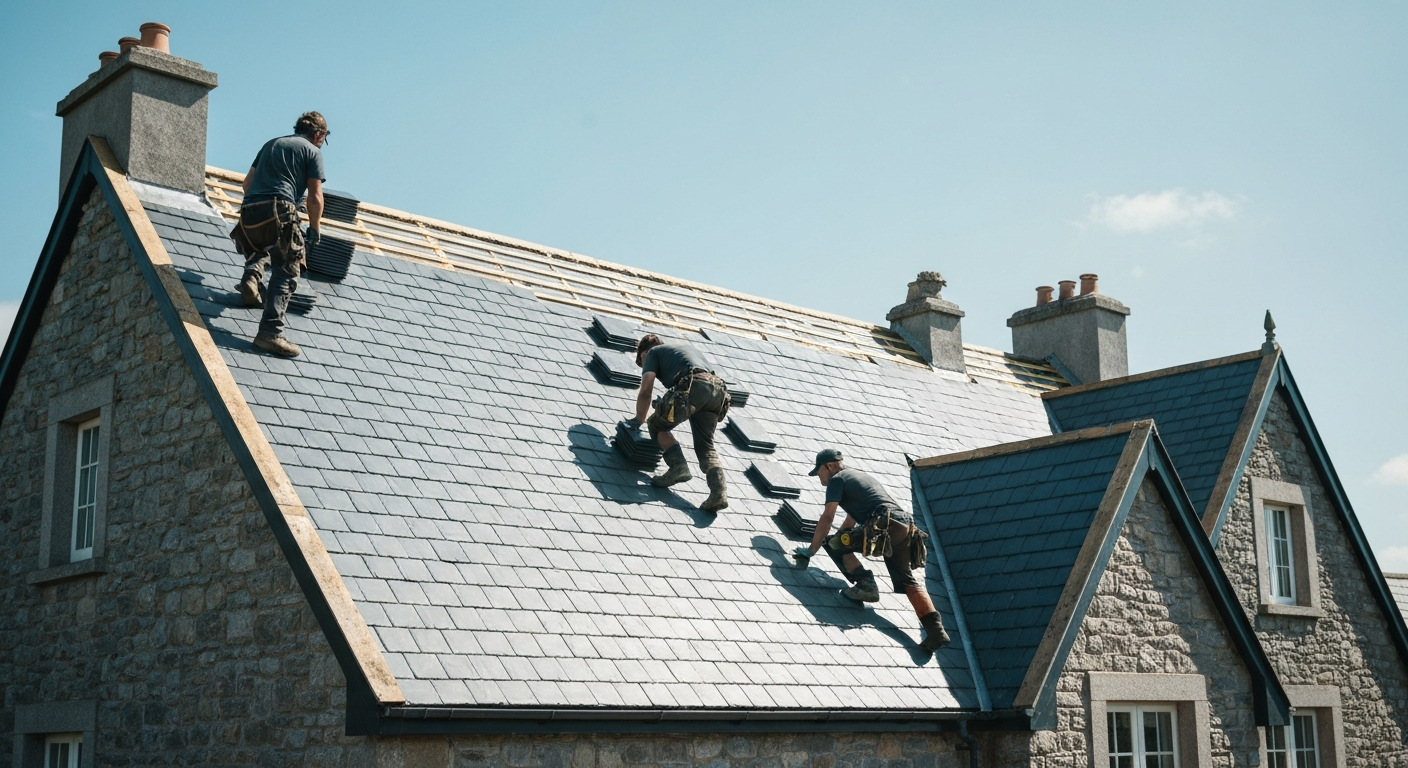
How Long Should a New Roof Last in Ireland?
Replacing your roof is a major investment. Discover the expected lifespan of slate, tile, and flat roofing materials in the damp, windy Irish climate.
Read Article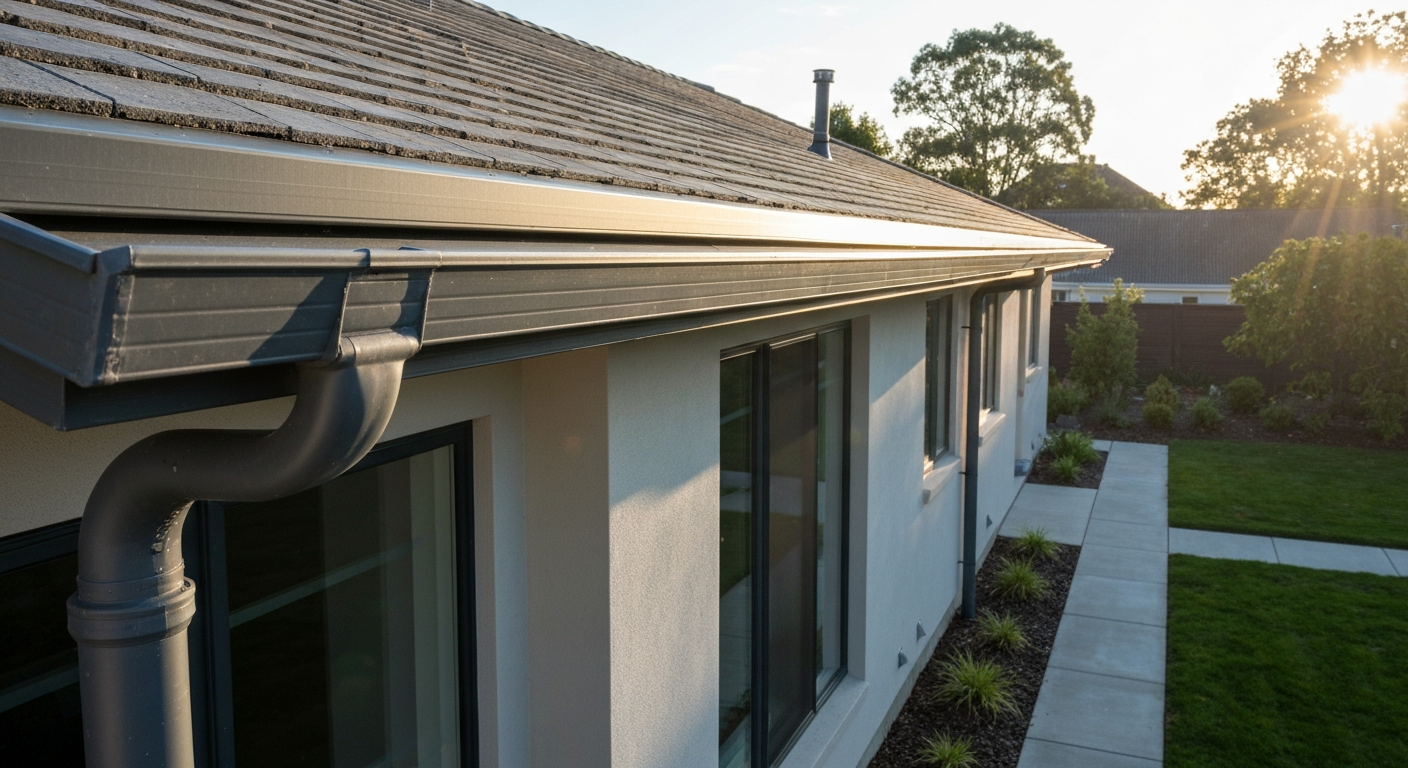
The Importance of Regular Gutter Maintenance for Dublin Homes
Blocked gutters can lead to severe damp, structural issues, and costly repairs. Find out why regular gutter maintenance is essential for Dublin homeowners.
Read Article