
What is a Dry Verge System and Does Your Dublin Home Need One?
Traditional mortar can crack and fail over time. Learn why upgrading to a dry verge system offers better long-term protection for Irish homes.
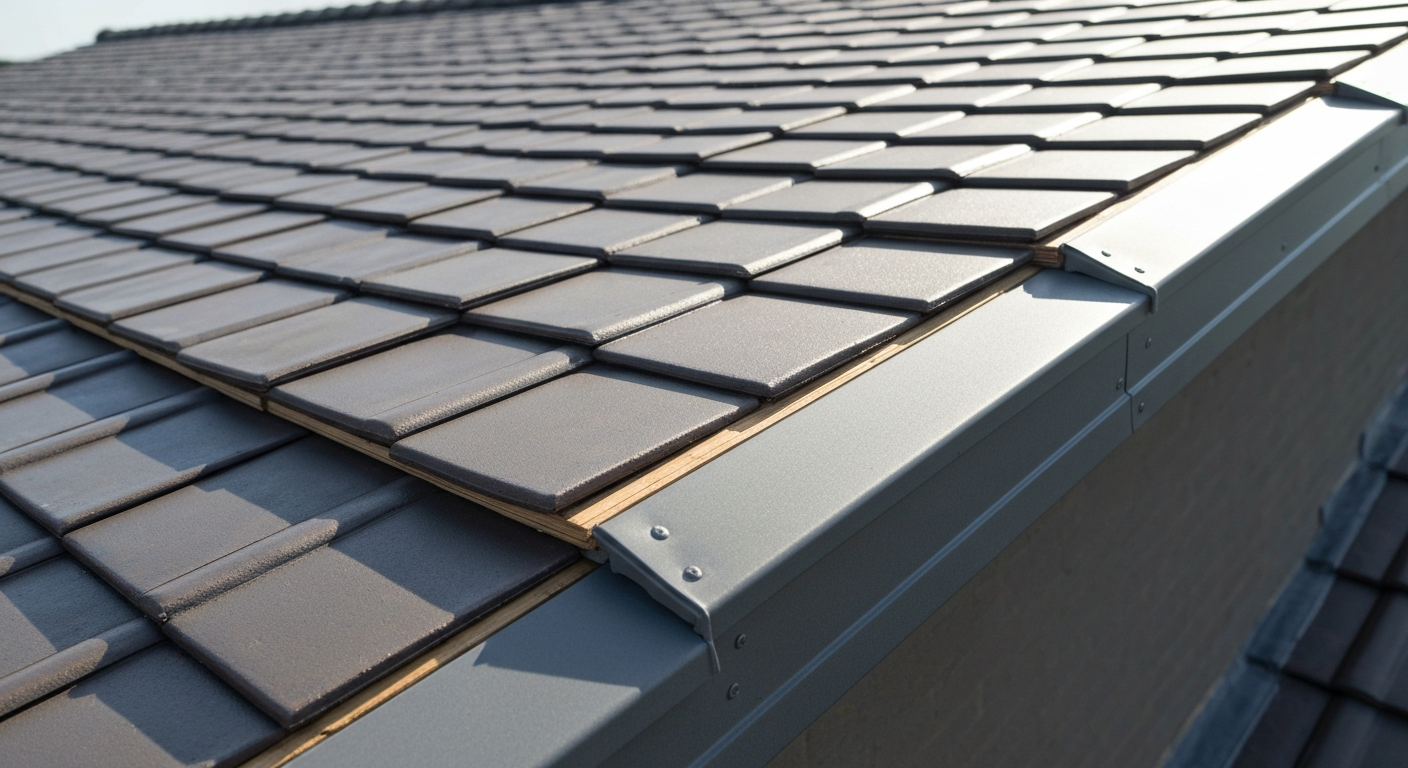
If you've ever noticed crumbling mortar along the edges of your roof — the part where the tiles meet the gable wall — you're not alone. This is one of the most common maintenance headaches faced by Dublin homeowners, particularly those living in properties built before the 2000s. The traditional method of securing roof edges with wet mortar is inherently vulnerable to the Irish climate, and the constant cycle of repointing and repair can become both frustrating and expensive over the years.
The solution that many Dublin homeowners are now turning to is the dry verge system. In this guide, the team at Haven Roof Specialists explains exactly what a dry verge system is, how it works, and whether it's the right upgrade for your home.
What is a Roof Verge?
Before understanding dry verge systems, it helps to understand what the verge of a roof actually is. The verge is the outer edge of a pitched roof where the tiles or slates meet the gable wall. It's the sloping edge you see when looking at the end of a house, where the roofline descends from the ridge to the eaves.
Because the verge is exposed to the full force of wind-driven rain, it's a critical area for weatherproofing. Water running down the slope of the roof can easily be driven sideways by wind, entering beneath the edge tiles if the verge isn't properly sealed. This is why the method used to secure and weatherproof the verge is so important.
The Problem with Traditional Mortar Verges
For decades, the standard method for securing the roof verge in Ireland was to bed the edge tiles in wet mortar. While this method is effective when freshly applied, mortar has fundamental weaknesses when exposed to the Irish climate over time.
Freeze-Thaw Damage
Dublin's winter temperatures frequently hover around freezing, meaning moisture that has soaked into the mortar during the day can freeze overnight. When water freezes, it expands, creating tiny cracks in the mortar. Over repeated freeze-thaw cycles, these cracks widen, and the mortar begins to crumble and fall away. This is why you'll often find mortar fragments in your gutters after winter storms.
Wind Uplift
Mortar relies on adhesion and weight to hold edge tiles in place. In high winds — which Dublin experiences regularly — the edge tiles are the most vulnerable to uplift. Once the mortar begins to crack, wind can get beneath the edge tiles and lift them, potentially dislodging them entirely. A single loose verge tile can cause significant damage if it falls, and the gap left behind allows water to penetrate the roof structure.
Ongoing Maintenance Costs
Traditional mortar verges require regular repointing — typically every 5 to 10 years depending on exposure. Over the life of a roof, these maintenance costs add up significantly, and each repointing is a temporary fix that will eventually need to be repeated.
What is a Dry Verge System?
A dry verge system replaces traditional mortar with interlocking uPVC caps that fit over the edge of the roof tiles. These caps are mechanically fixed into place using screws and a continuous closing channel, providing a secure, weatherproof seal without the need for any wet trades. The term "dry" refers to the fact that no mortar or wet sealants are used in the installation.
The system typically consists of two main components: a verge closure that sits under the tile edge and provides a fixing point, and a decorative dry verge cap that clips over the top, covering the tile edge and creating a neat, continuous finish along the entire roofline.
The Benefits of Installing a Dry Verge System
- Weatherproof and maintenance-free: uPVC is completely unaffected by the freeze-thaw cycle that destroys traditional mortar. It won't crack, crumble, or degrade, meaning there's no repointing to worry about — ever.
- Secures edge tiles against wind uplift: Because the system mechanically fixes each edge tile in place, it provides far superior resistance to wind damage compared to mortar bedding. This is particularly valuable for homes in exposed locations like Howth, Malahide, and other coastal areas of Dublin.
- Prevents water ingress at the roof edge: The interlocking design creates a continuous weatherproof barrier that prevents wind-driven rain from penetrating beneath the edge tiles, protecting the underlying timber and underlay.
- Aesthetic appeal: A dry verge system provides a clean, sharp, continuous finish to the roofline that looks consistently neat. Unlike mortar, which develops an uneven, weathered appearance over time, uPVC caps maintain their appearance for decades.
- Long-term cost savings: While the initial installation cost is higher than traditional mortar bedding, the elimination of ongoing repointing and repair costs means a dry verge system typically pays for itself over the life of the roof.
- Available in colours to match your home: Dry verge systems are available in a range of colours, including brown, grey, black, and tile red, allowing them to complement your existing roof tiles and property style.
Is a Dry Verge System Right for Your Home?
If you're experiencing any of the following issues, a dry verge system is likely a worthwhile investment:
- You're constantly paying to have the mortar on your roof edges repointed.
- You've noticed cracked, crumbling, or missing mortar along your roof verges.
- Edge tiles have become loose or have been dislodged by wind.
- You're installing a new roof and want to eliminate future maintenance at the roofline.
- You live in an exposed or coastal area where wind-driven rain is a recurring problem.
It's worth noting that dry verge systems can be retrofitted to most existing roofs, so you don't need to be replacing your entire roof to benefit. A professional dry verge installation can be carried out on an otherwise sound roof to eliminate ongoing verge maintenance.
Professional Installation Matters
While dry verge systems are designed to be straightforward to install, the quality of installation significantly affects their performance. Each cap must be correctly aligned, securely fixed, and properly interlocked to create a continuous weatherproof seal. Gaps, misalignment, or incorrect fixing can compromise the system's effectiveness and lead to the very water ingress it's designed to prevent.
At Haven Roof Specialists, we've installed dry verge systems on homes across Dublin — from period properties in Dún Laoghaire to modern builds in Adamstown. Our experienced team ensures every installation is carried out to manufacturer specifications, giving you a maintenance-free roofline that will protect your home for decades.
Upgrade Your Roofline Today
If you're tired of the constant cycle of mortar repointing and want a long-term solution for your roof verges, a dry verge system is one of the most cost-effective upgrades you can make. It eliminates ongoing maintenance, improves weather resistance, and enhances the appearance of your home's roofline.
To find out more about dry verge systems or to arrange a roofline inspection, contact Haven Roof Specialists today. We'll assess your current roof verges, explain your options clearly, and provide an honest recommendation — with no pressure and no obligation.
Concerned About Your Roof?
If you've noticed any of these warning signs or you're unsure about the condition of your roof, our team can assess the situation and explain your options — with no pressure and no jargon.
Frequently Asked Questions
Related Articles
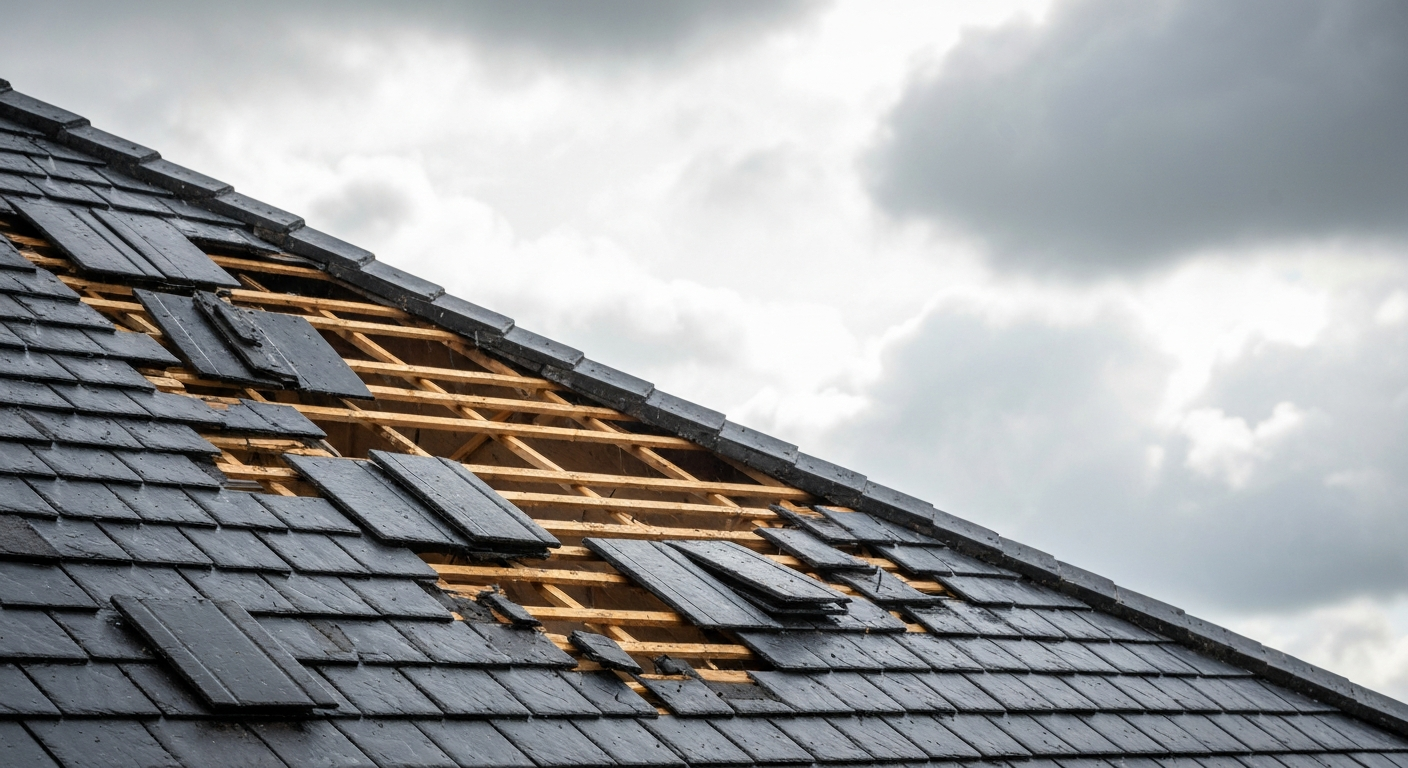
5 Signs Your Roof Needs Immediate Repair After a Dublin Storm
Irish weather can be unforgiving. Learn the top warning signs that your roof has suffered storm damage and needs professional attention before the next downpour.
Read Article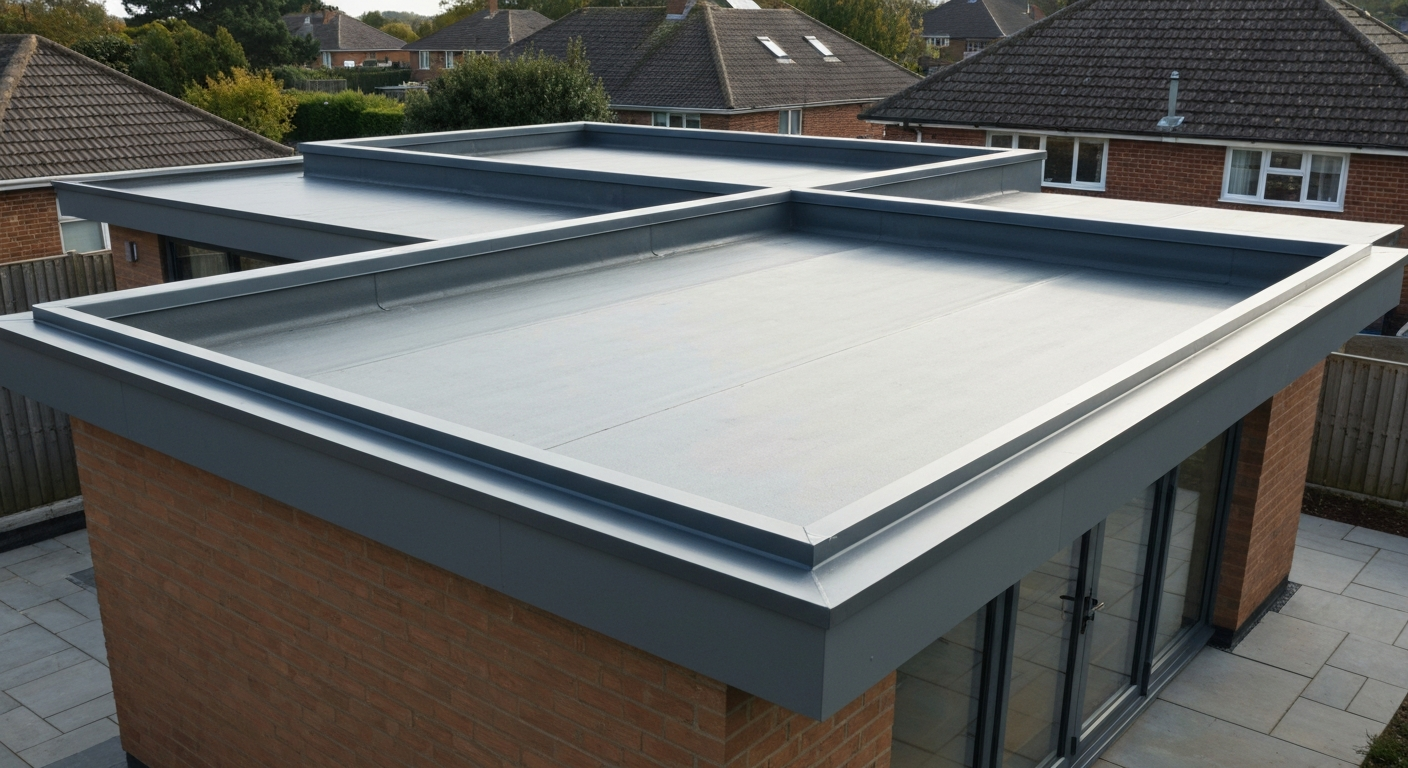
Flat Roof vs. Pitched Roof: Which is Better for Your Dublin Extension?
Planning an extension in Dublin? We break down the pros, cons, costs, and planning considerations of flat roofing versus traditional pitched roofs for Irish homes.
Read Article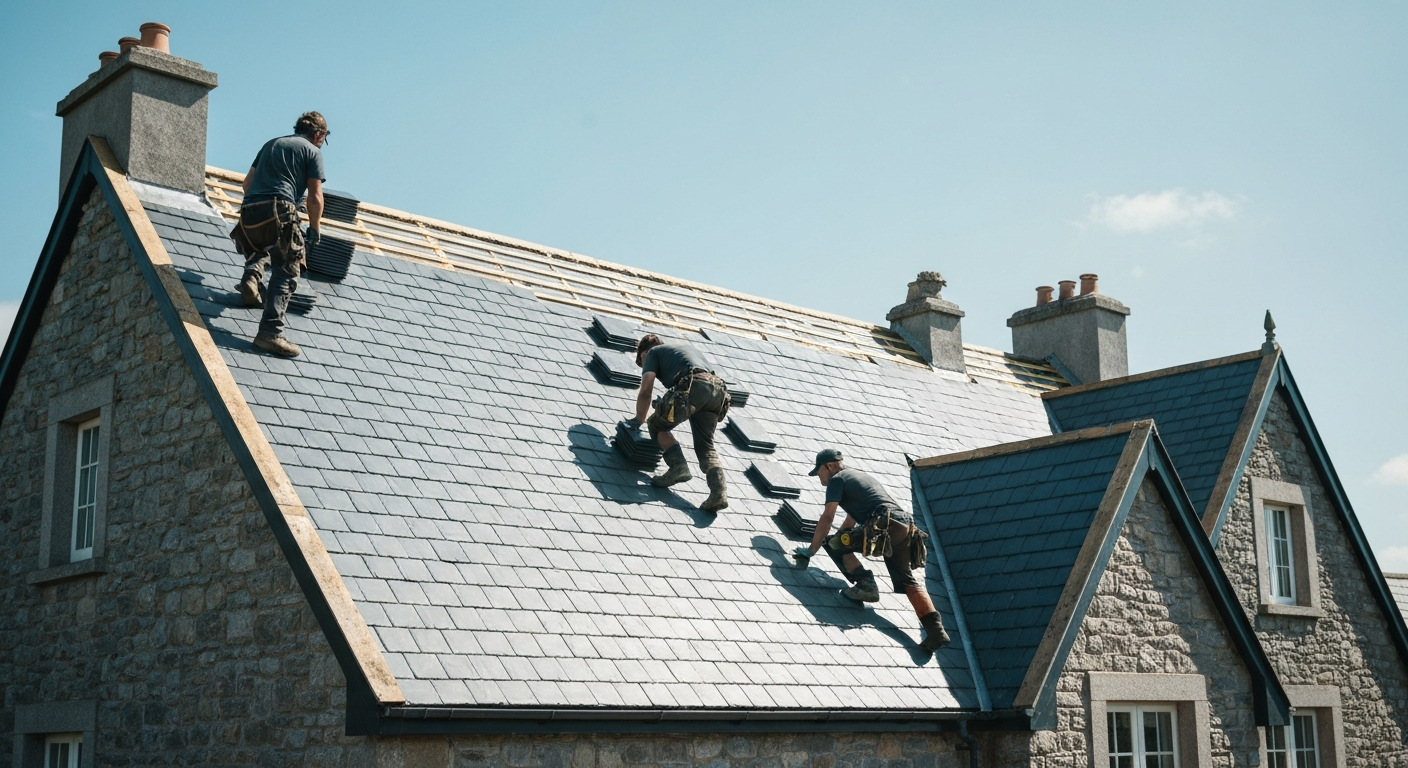
How Long Should a New Roof Last in Ireland?
Replacing your roof is a major investment. Discover the expected lifespan of slate, tile, and flat roofing materials in the damp, windy Irish climate.
Read Article