
How Long Should a New Roof Last in Ireland?
Replacing your roof is a major investment. Discover the expected lifespan of slate, tile, and flat roofing materials in the damp, windy Irish climate.
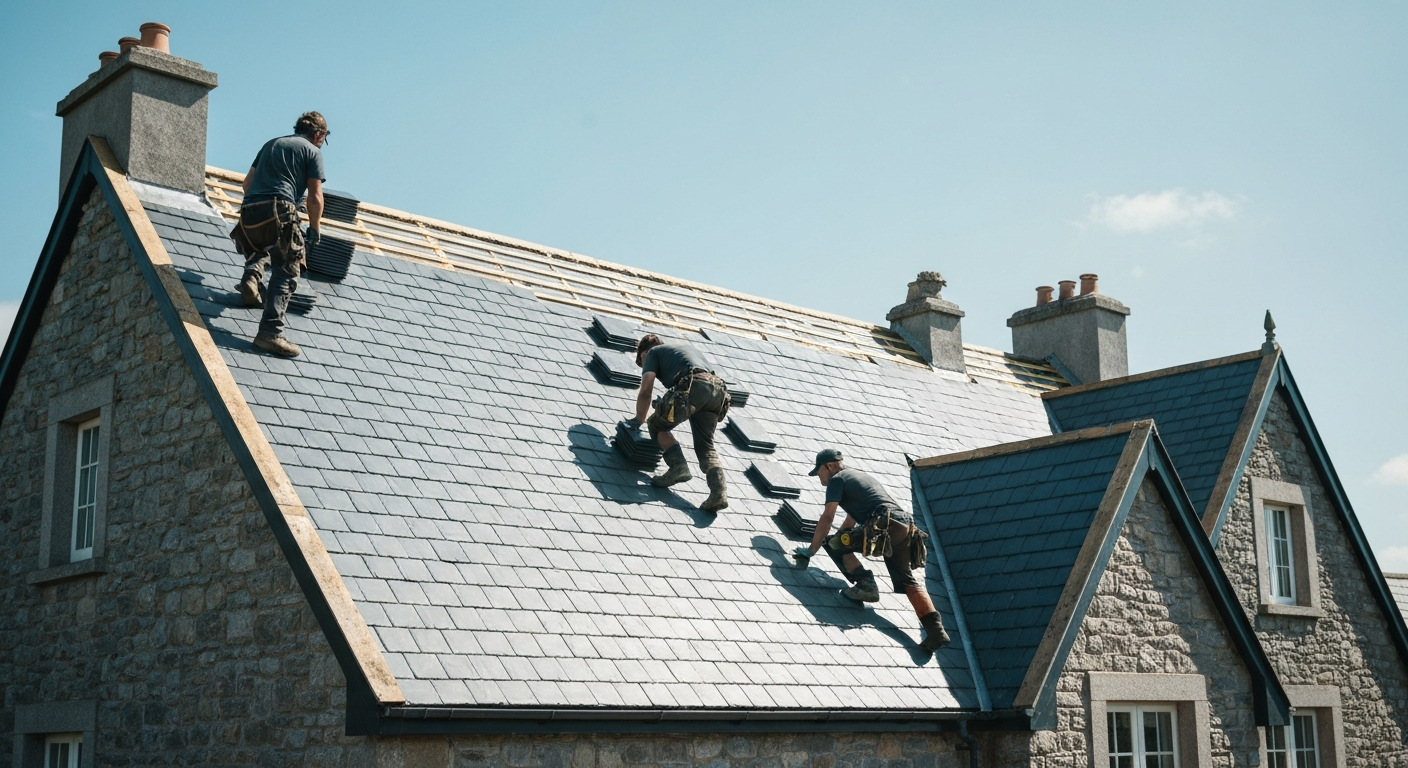
A new roof is one of the most significant investments a Dublin homeowner will make. Whether you're replacing an aging roof on a period property in Drumcondra or installing a new roof on a modern build in Adamstown, understanding how long different roofing materials last in the Irish climate is essential for making an informed decision. After all, the last thing you want is to be facing another roof replacement in fifteen years because you chose a material that wasn't suited to Dublin's demanding weather conditions.
In this comprehensive guide, the team at Haven Roof Specialists breaks down the expected lifespan of every common roofing material used in Ireland, the factors that affect longevity, and what Dublin homeowners can do to maximise the life of their new roof.
Natural Slate: The Gold Standard for Irish Roofs
Natural slate is the most durable roofing material available for Irish homes. A high-quality natural slate roof — properly installed by experienced roofing contractors — can last 80 to 100 years or more. Many of Dublin's period homes still have their original slate roofs intact, a testament to the material's extraordinary longevity.
Natural slate is ideally suited to the Irish climate for several reasons. It's completely impervious to water, resistant to frost damage, and unaffected by UV degradation. Slate also develops an attractive natural patina over time, making it a favourite for homeowners who want a roof that ages gracefully rather than deteriorates.
The main consideration with natural slate is cost. Quality Welsh or Spanish slate is more expensive than concrete alternatives, and the installation requires skilled craftsmen. However, when you factor in a potential lifespan of a century, the annual cost of a natural slate roof is remarkably competitive. It's an investment that may well outlast your time in the home.
Concrete Tiles: A Durable, Cost-Effective Alternative
Concrete tiles are the most popular roofing material for modern Irish homes, and for good reason. A well-installed concrete tile roof will typically last between 40 and 50 years. They offer a good balance of durability, affordability, and availability, making them the standard choice for new-build developments across Dublin.
Concrete tiles are robust and weather-resistant, but they do have some vulnerabilities in the Irish climate. Over time, the surface of concrete tiles can become slightly porous, allowing moisture to penetrate. This can lead to moss and lichen growth, which is a common sight on Dublin roofs. While this growth is largely cosmetic in the early stages, it can retain moisture against the tile surface and accelerate weathering if left unchecked.
Regular roof inspections and gentle cleaning can help maintain concrete tiles and extend their useful life. If you're noticing significant moss growth or tile spalling, it may be time to consider a professional assessment.
Flat Roofing Materials: Modern Solutions for Dublin Homes
Flat roofing technology has advanced dramatically in recent decades. If you have an older Dublin home with a felt flat roof from the 1990s or earlier, you may have experienced the short lifespans that gave flat roofs a poor reputation. Modern materials have changed the landscape entirely.
EPDM Rubber Membrane
EPDM (ethylene propylene diene monomer) rubber is now the leading choice for flat roofing in Ireland. A high-quality EPDM membrane, professionally installed, can last 25 to 30 years or more with minimal maintenance. EPDM is highly resistant to UV radiation, ozone, and temperature extremes — all of which are common challenges in the Irish climate. It's also flexible, which means it can accommodate the natural thermal movement of a building without cracking.
High-Quality Felt Systems
Modern felt roofing systems — particularly those using modified bitumen with polyester reinforcement — have also improved significantly. A quality felt roof can last 15 to 25 years depending on the specific system and installation quality. While not as long-lasting as EPDM, felt remains a cost-effective option for many Dublin homeowners, particularly for smaller flat roof areas.
Key Factors That Affect Roof Lifespan in Ireland
The material you choose is only part of the equation. Several other factors play a crucial role in determining how long your new roof will actually last in the Irish climate.
1. Installation Quality
This is the single most important factor. Even the highest-quality slate or EPDM membrane will fail prematurely if installed poorly. Proper battening, correct overlap, appropriate fixings, and meticulous attention to detailing around chimneys, valleys, and abutments are what separate a roof that lasts decades from one that fails in years. Always choose an experienced, reputable roofing contractor with a proven track record in the Dublin market.
2. Attic Ventilation
Proper attic ventilation is critical in the Irish climate. Without adequate airflow, warm, moist air from your home becomes trapped in the roof cavity. This leads to condensation on the underside of the roof deck, which can rot timber joists and underlay long before the exterior roofing material shows any signs of wear. If you're investing in a new roof, ensure your contractor addresses ventilation as part of the installation.
3. Regular Maintenance
No roof is truly maintenance-free. Annual inspections, gutter cleaning, and prompt attention to minor issues will significantly extend the life of any roof. Small problems — a slipped slate, a blocked valley, a cracked flashing — are cheap to fix when caught early but can cause extensive damage if ignored.
4. Exposure and Orientation
The orientation of your roof and its exposure to prevailing winds affect lifespan. South-facing roofs in Dublin receive more direct sunlight, which can accelerate the aging of certain materials. Coastal areas like Howth, Malahide, and Dún Laoghaire also expose roofs to salt-laden air, which can be more corrosive over time.
How to Maximise the Life of Your New Roof
- Schedule annual roof inspections with a qualified Dublin roofing contractor — ideally in autumn before the worst of the winter weather arrives.
- Keep gutters and downpipes clear to prevent water from backing up under the roof edge and damaging fascia boards.
- Address moss and lichen growth promptly with appropriate, non-damaging cleaning methods.
- Check attic spaces twice a year for signs of condensation, daylight penetration, or water staining on timbers.
- Act quickly on any signs of damage — a single slipped slate can lead to significant water ingress during the next storm.
Investing in a Roof That Lasts
Choosing the right roofing material and ensuring quality installation are decisions that will affect your home for decades. At Haven Roof Specialists, we've helped hundreds of Dublin homeowners make informed decisions about roof replacements, and we're committed to quality workmanship that stands the test of time. We use only high-grade materials and back our workmanship with genuine guarantees.
If you're considering a new roof or want an honest assessment of your current roof's remaining lifespan, contact our team today. We'll provide a thorough inspection, clear advice, and a transparent quote — with no pressure and no jargon, just straightforward guidance from a team that treats your home as if it were our own.
Concerned About Your Roof?
If you've noticed any of these warning signs or you're unsure about the condition of your roof, our team can assess the situation and explain your options — with no pressure and no jargon.
Frequently Asked Questions
Related Articles
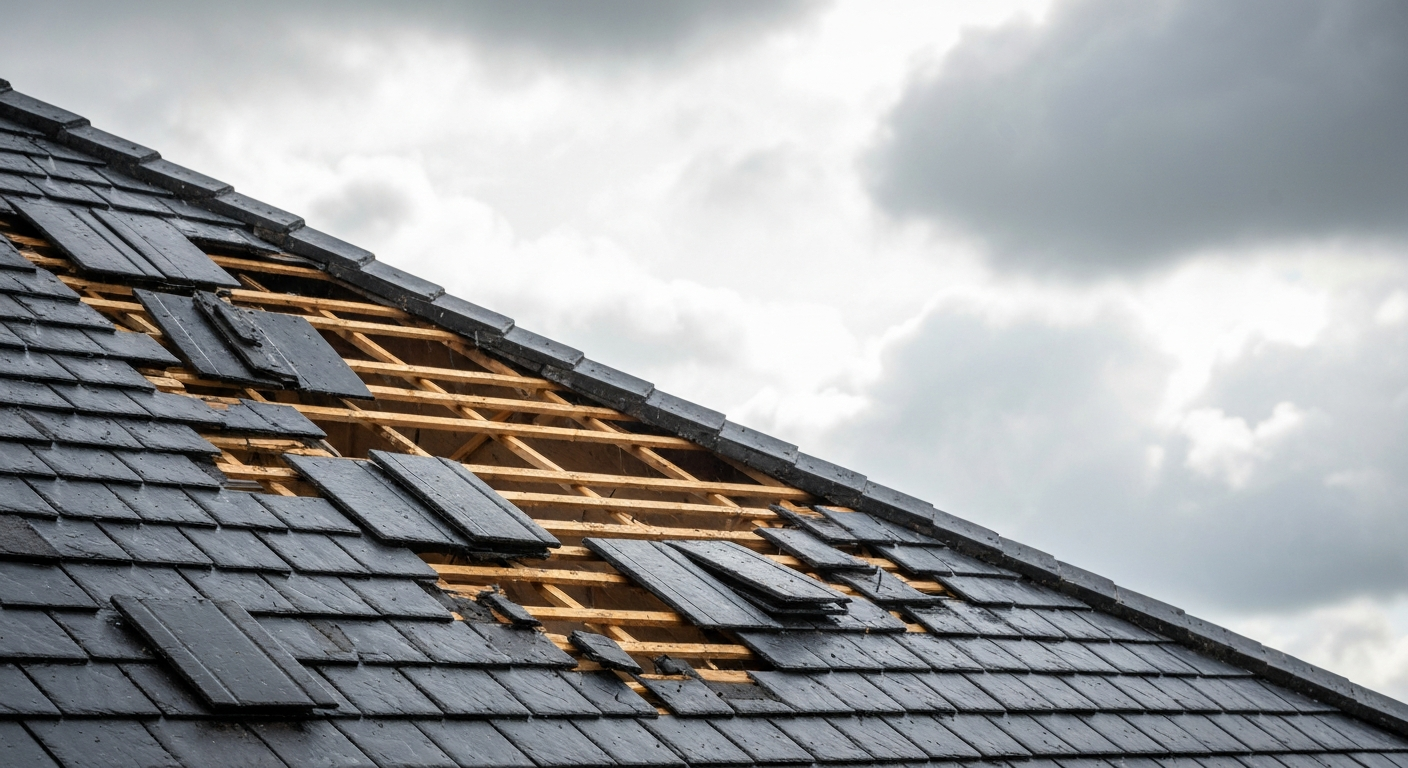
5 Signs Your Roof Needs Immediate Repair After a Dublin Storm
Irish weather can be unforgiving. Learn the top warning signs that your roof has suffered storm damage and needs professional attention before the next downpour.
Read Article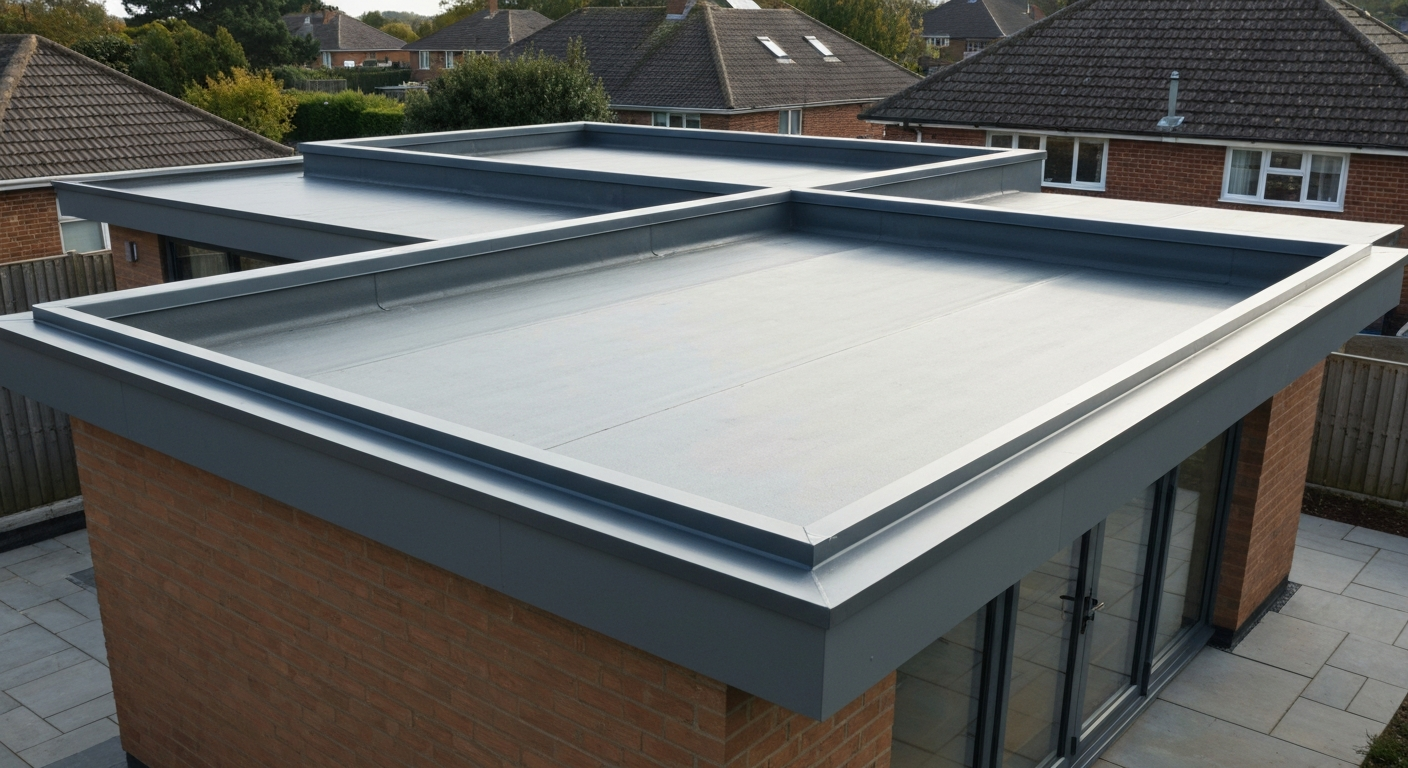
Flat Roof vs. Pitched Roof: Which is Better for Your Dublin Extension?
Planning an extension in Dublin? We break down the pros, cons, costs, and planning considerations of flat roofing versus traditional pitched roofs for Irish homes.
Read Article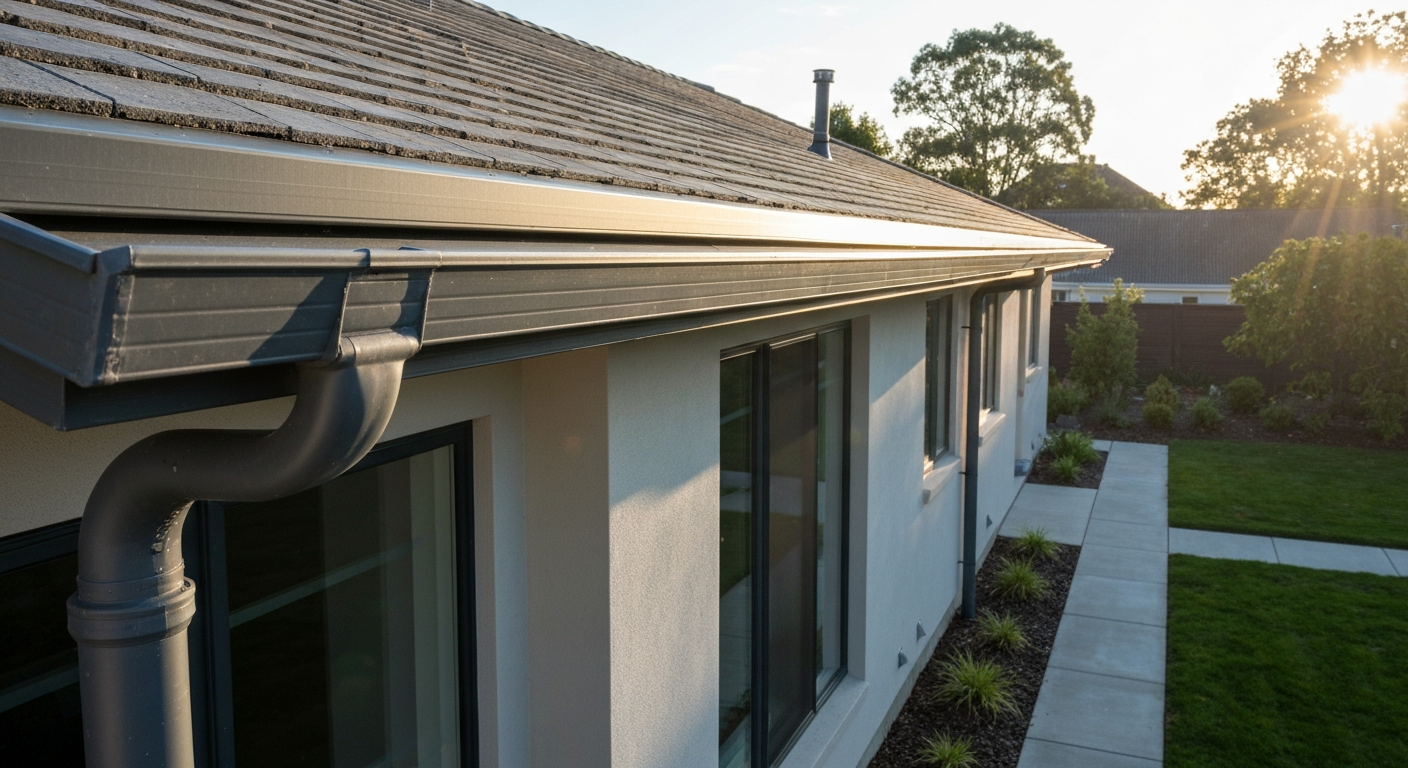
The Importance of Regular Gutter Maintenance for Dublin Homes
Blocked gutters can lead to severe damp, structural issues, and costly repairs. Find out why regular gutter maintenance is essential for Dublin homeowners.
Read Article