
Flat Roof vs. Pitched Roof: Which is Better for Your Dublin Extension?
Planning an extension in Dublin? We break down the pros, cons, costs, and planning considerations of flat roofing versus traditional pitched roofs for Irish homes.
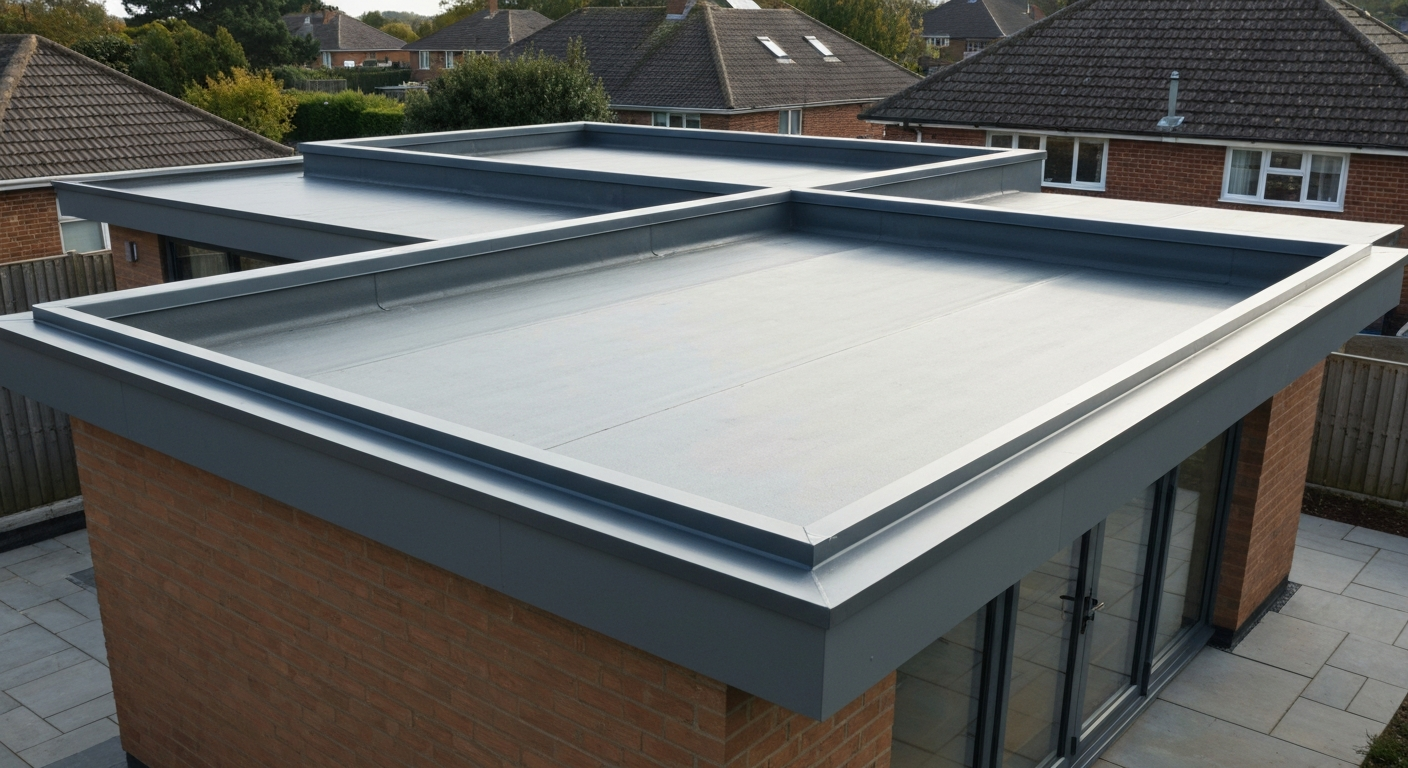
Extending your home is one of the most rewarding investments a Dublin homeowner can make. Whether you're adding a kitchen diner to a semi-detached house in Rathfarnham or building a rear extension in Clontarf, one of the most significant architectural decisions you'll face is choosing between a flat roof and a pitched roof. Both options have distinct advantages and trade-offs, and the right choice depends on your budget, your home's character, and how the Irish climate will interact with your new roof over the coming decades.
In this guide, the team at Haven Roof Specialists breaks down everything Dublin homeowners need to know about flat versus pitched roofs for extensions — covering durability, cost, aesthetics, maintenance, and the planning permission considerations specific to Dublin City and surrounding areas.
Understanding Flat Roofs for Dublin Extensions
Flat roofs have undergone a transformation in recent decades. Gone are the days when a flat roof meant a leak-prone felt surface that needed replacing every ten years. Modern flat roofing systems — particularly EPDM rubber membranes and high-quality felt — offer excellent durability and weather resistance that rival traditional pitched roofs in many applications.
Advantages of a Flat Roof Extension
- Cost-effective construction: Flat roofs require less structural timber, fewer materials, and reduced labour time. This typically makes them the more budget-friendly option upfront, which is why they're popular for rear extensions where maximising interior space for the budget is the priority.
- Modern, contemporary aesthetic: A flat roof extension can create a striking visual contrast against a traditional Dublin brick facade. Many homeowners choose flat roofs specifically to achieve a clean, architectural look with large glazed openings.
- Maximised headroom: Because flat roofs don't slope, you don't lose ceiling height at the edges of the extension. This is particularly valuable in single-storey extensions where every centimetre of headroom matters.
- Faster installation: The simpler structure means your extension can be weather-tight sooner, reducing the risk of weather-related delays during Dublin's unpredictable building seasons.
Considerations for Flat Roofs
Modern flat roofing materials are highly durable, but flat roofs do require more proactive maintenance than pitched roofs. Debris, moss, and standing water need to be monitored, and the roof should be inspected annually. EPDM rubber membranes, when properly installed by an experienced roofing contractor, can last 25 to 30 years or more with minimal upkeep. High-quality felt systems also perform well when installed to manufacturer specifications.
Understanding Pitched Roofs for Dublin Extensions
Pitched roofs are the traditional choice for Irish homes and remain the most common roof style across Dublin's residential neighbourhoods. A pitched roof slopes at an angle, typically matching or complementing the existing roof of your home.
Advantages of a Pitched Roof Extension
- Exceptional weather shedding: The sloped design naturally excels at shedding heavy Irish rain and snow. Water runs off quickly, reducing the risk of standing water and the associated maintenance concerns.
- Architectural harmony: A pitched roof that matches the existing roofline blends seamlessly with classic Dublin architecture. This is often important for period properties and in areas with strict planning guidelines.
- Longer lifespan with less maintenance: Natural slate and concrete tile pitched roofs can last 50 to 100+ years with minimal maintenance. There's no membrane to degrade and fewer joints to fail.
- Additional storage or living space: A pitched roof offers the potential for vaulted ceilings, attic storage, or even future conversion into additional living space.
Considerations for Pitched Roofs
The main drawback of a pitched roof is cost. The additional structural timber, roofing material, and labour all add to the overall price. Pitched roofs also require more space above the extension, which can affect how the extension relates to neighbouring properties — a key consideration in Dublin's dense suburban areas.
Cost Comparison: Flat vs. Pitched Roofs in Dublin
Cost is often the deciding factor for Dublin homeowners. As a general guide, a flat roof extension is typically 20-30% less expensive than a comparable pitched roof extension. This saving comes from reduced materials, simpler structural requirements, and faster installation.
However, it's worth considering the long-term picture. While a pitched roof costs more upfront, its longer lifespan and lower maintenance requirements may balance out the cost over decades. A high-quality roof replacement using natural slate can outlast multiple flat roof membranes, making it a strong long-term investment.
The right choice depends on your priorities. If maximising space and minimising upfront cost is the goal, a flat roof is an excellent option. If longevity and architectural harmony are paramount, a pitched roof is the better investment.
Planning Permission Considerations in Dublin
Before deciding on your roof style, it's essential to check with your local planning authority. Dublin City Council and the various county councils across South Dublin, Fingal, and Dún Laoghaire-Rathdown each have specific guidelines that may influence your choice.
In conservation areas and older neighbourhoods — such as parts of Howth, Dalkey, and Dublin 6 — planning permission may dictate the roof style to ensure it matches the surrounding architectural character. In these cases, a pitched roof matching the existing roofline is often required. For rear extensions that aren't visible from the street, flat roofs are more commonly permitted.
It's also worth noting that flat roof extensions can sometimes fall within exempted development limits where a pitched roof of the same size might not, due to height restrictions. Always consult with a qualified architect or your local planning office before proceeding.
Making the Right Choice for Your Home
There's no single right answer — the best roof for your Dublin extension depends on your home's character, your budget, and your long-term plans. If you're planning an extension and would like professional advice on the roofing options, Haven Roof Specialists can help. We've installed both flat and pitched roofs on extensions across Dublin, and we're happy to provide honest, no-pressure guidance based on your specific situation.
Get in touch with our team to discuss your extension project, or explore our flat roofing and roof replacement services to learn more about how we can help protect your home for decades to come.
Concerned About Your Roof?
If you've noticed any of these warning signs or you're unsure about the condition of your roof, our team can assess the situation and explain your options — with no pressure and no jargon.
Frequently Asked Questions
Related Articles
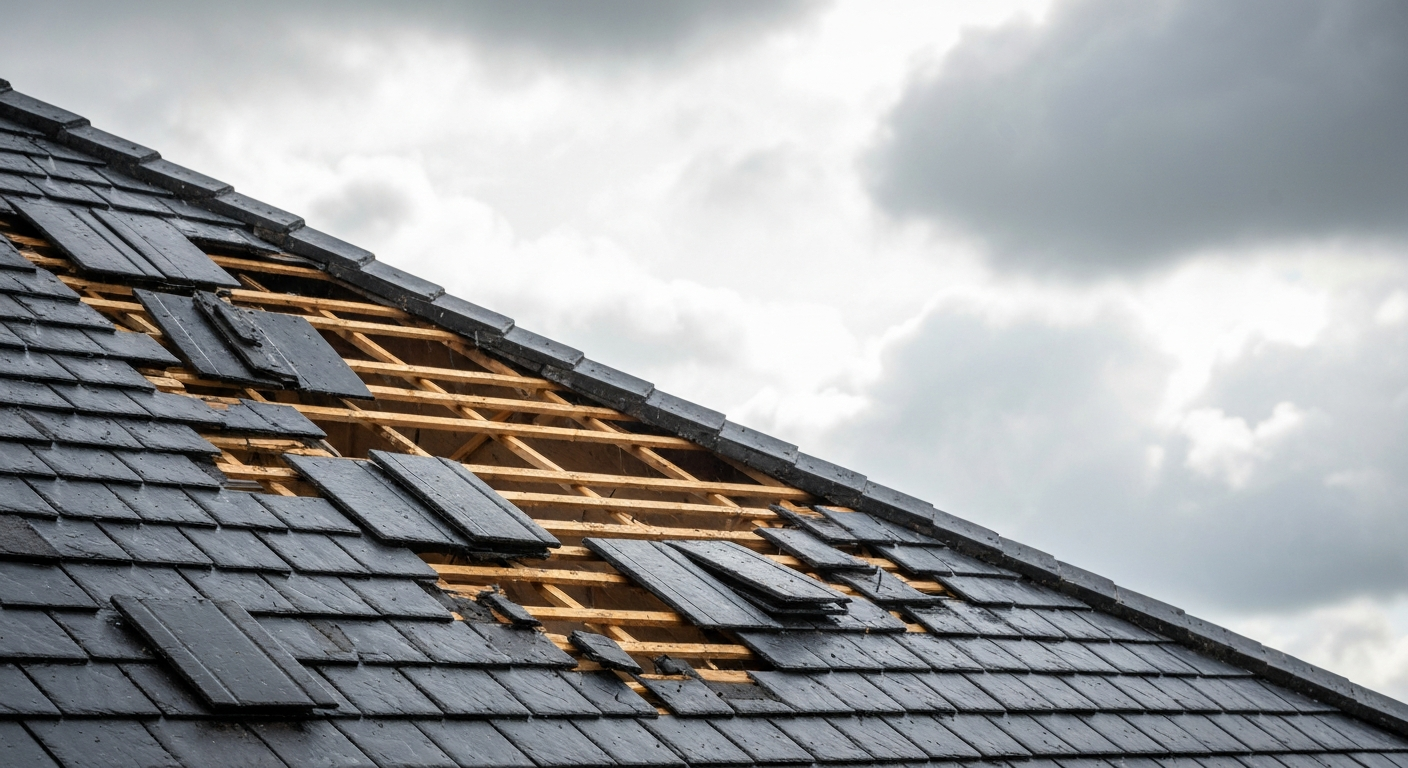
5 Signs Your Roof Needs Immediate Repair After a Dublin Storm
Irish weather can be unforgiving. Learn the top warning signs that your roof has suffered storm damage and needs professional attention before the next downpour.
Read Article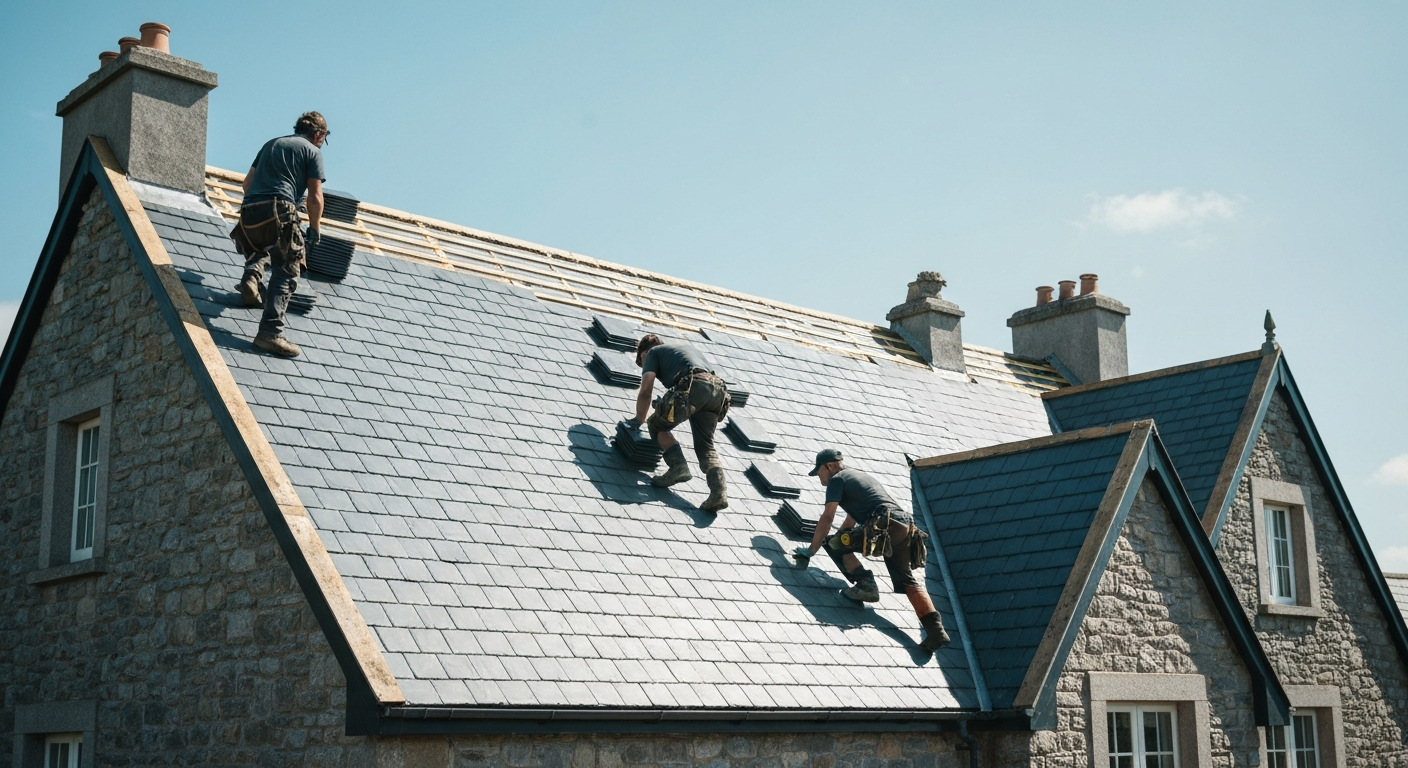
How Long Should a New Roof Last in Ireland?
Replacing your roof is a major investment. Discover the expected lifespan of slate, tile, and flat roofing materials in the damp, windy Irish climate.
Read Article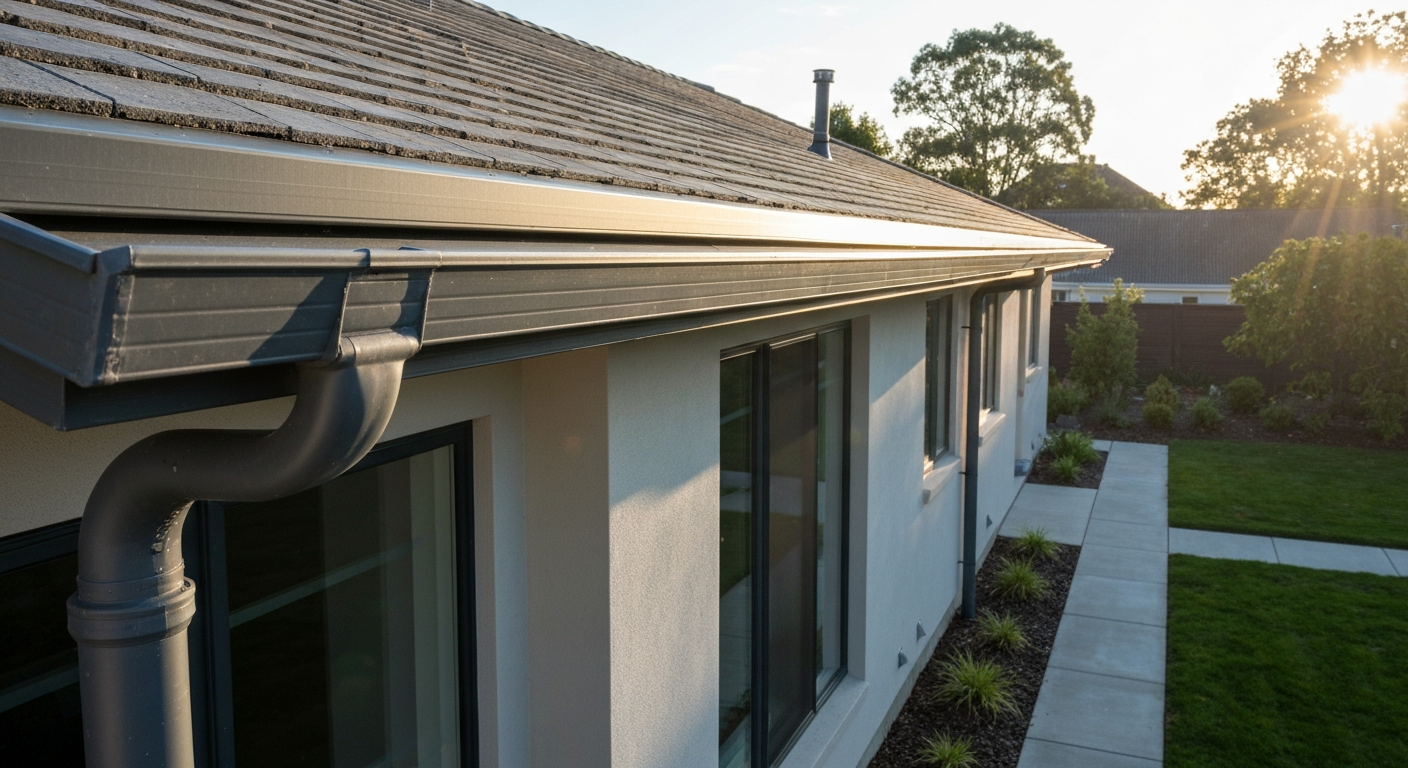
The Importance of Regular Gutter Maintenance for Dublin Homes
Blocked gutters can lead to severe damp, structural issues, and costly repairs. Find out why regular gutter maintenance is essential for Dublin homeowners.
Read Article